Urban Vegetation Growth
Urban Vineyards: Green Oases Amidst Cityscapes
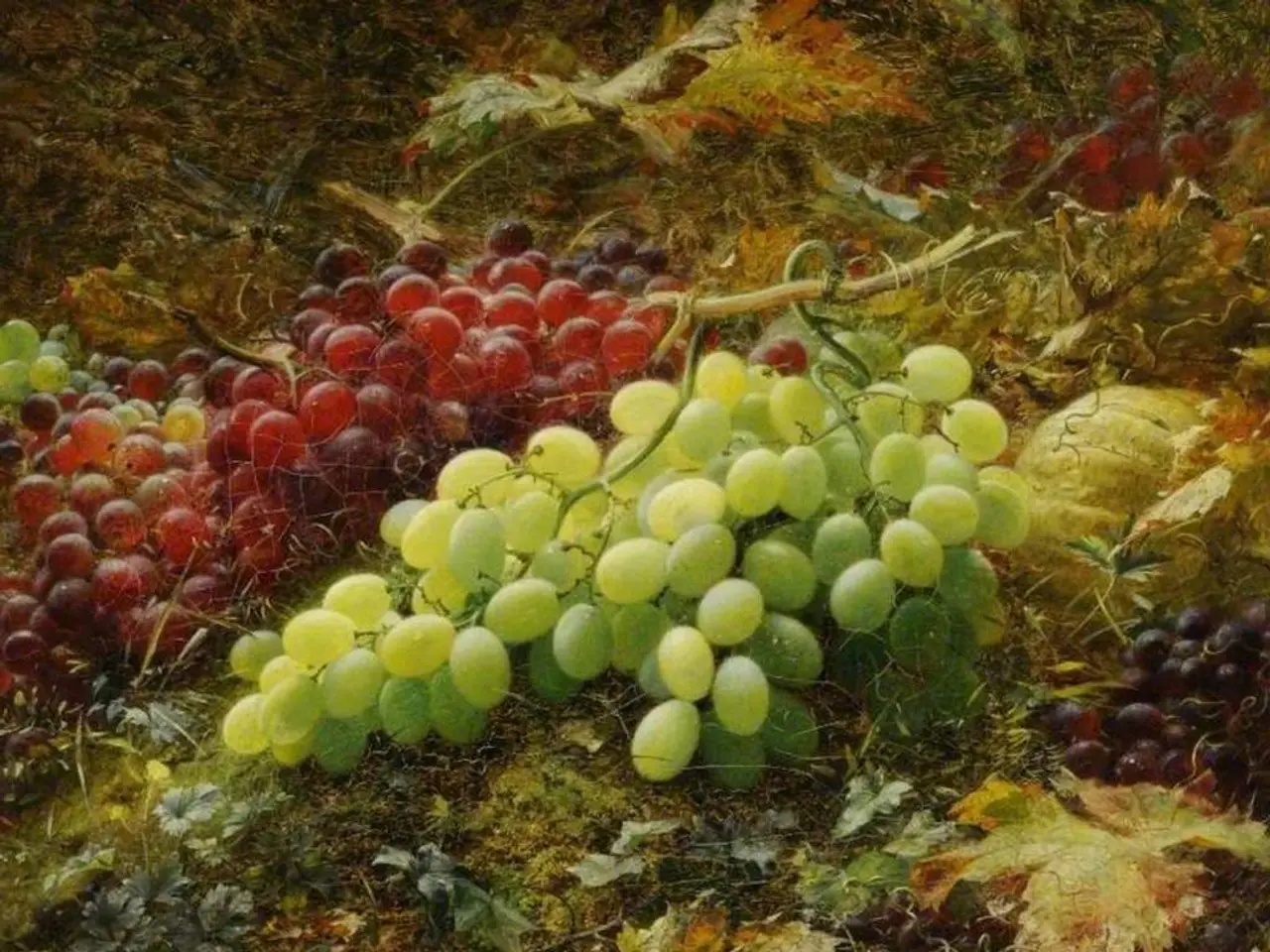
Urban vineyards are popping up in cities around the world, reconnecting urban areas with their agricultural past and offering unique benefits to both the environment and local communities. These vineyards serve as green oases amidst dense cityscapes, providing biodiversity, cultural heritage, and economic sustainability.
One such vineyard is Weingut Nusserhof in Bolzano, Italy, a 2.5-hectare organic vineyard focusing on native varieties such as Lagrein, Teroldego, and the rare white Blatterle. The site of Weingut Nusserhof dates back to the late 18th century and holds deep historical significance, as the Mayrs saved the estate from expropriation to honor the memory of Josef Mayr-Nusser, a family member martyred for resisting the Nazi regime. However, the vineyard faces challenges from urban expansion, with the local council eager to repurpose vineyard land for new developments.
Similar vineyards can be found in cities like Turin and Venice (Italy), Paris (France), Thessaloniki (Greece), Lisbon (Portugal), Brasília (Brazil), and peri-urban vineyards like Domaine de Rieucoulon near Montpellier (France). These urban vineyards often serve as green oases and havens of biodiversity amidst cityscapes.
The benefits of urban vineyards are plentiful. Environmentally, they enhance urban biodiversity by supporting over 100 species of wild plants and urban wildlife, effectively re-wilding city spaces. For example, the vineyard in Bolzano acts as a natural, relaxing green spot in the city.
Culturally and socially, urban vineyards connect residents with nature and urban agricultural heritage, preserving green spaces threatened by development. Vinhedo Lacustre in Brasília revives the city's original urban planning vision of integrating agricultural zones within the city, fostering sustainable coexistence between nature and the built environment.
Economically, urban vineyards can be economically sustainable, allowing green spaces to be preserved rather than sold off for development.
However, urban vineyards face unique challenges. Space limitations and urban development pressure pose a risk of losing vineyard land to construction or infrastructure projects. Pollution and microclimate influences can impact vine health and grape quality, although specific details were not cited in the sources. Managing vines in fragmented, small plots amidst urban structures demands creative viticulture and care.
Examples of urban vineyards include San Francesco della Vigna in Venice, Italy, which has a heritage dating back to the mid-13th century and consists of a small plot of alberello-trained Glera and Malvasia vines. Urban vineyards can complement rural ones by helping people connect with wine in unconventional ways and highlighting its cultural value and significance to the surrounding communities.
Urban vineyards also serve as educational tools, helping people connect with wine in unconventional ways and placing it within a wider historical and social context. They can offer a unique enological and cultural experience, accessible right in the city center. Local communities can greatly benefit from urban vineyard projects, as they can beautify neighborhoods and provide job and skill development opportunities.
Marcos Ritter de Gregorio, the owner of Vinhedo Lacustre, chose the vineyard's location to bring the urbanistic dream of small urban farms to life in a city where they never materialized. The charm of urban vineyards can make them major cultural destinations, drawing tourists and curious visitors who may not have planned to visit a winery.
In summary, urban vineyards reflect a global trend of integrating green viticulture within cities, balancing environmental, social, and economic factors while facing challenges from urbanization and environment. These vineyards serve as a testament to the resilience and adaptability of agriculture in the face of urban development, offering a glimpse of a greener, more sustainable future for cities around the world.
Food-and-drink enthusiasts can discover unique experiences in the heart of cityscapes, as urban vineyards often offer tastings and educational events that delve into the art of winemaking.
Home-and-garden enthusiasts can take inspiration from urban vineyards, which demonstrate that green spaces can thrive in the most unexpected urban settings, promoting biodiversity and serving as tranquil retreats amidst bustling city life.