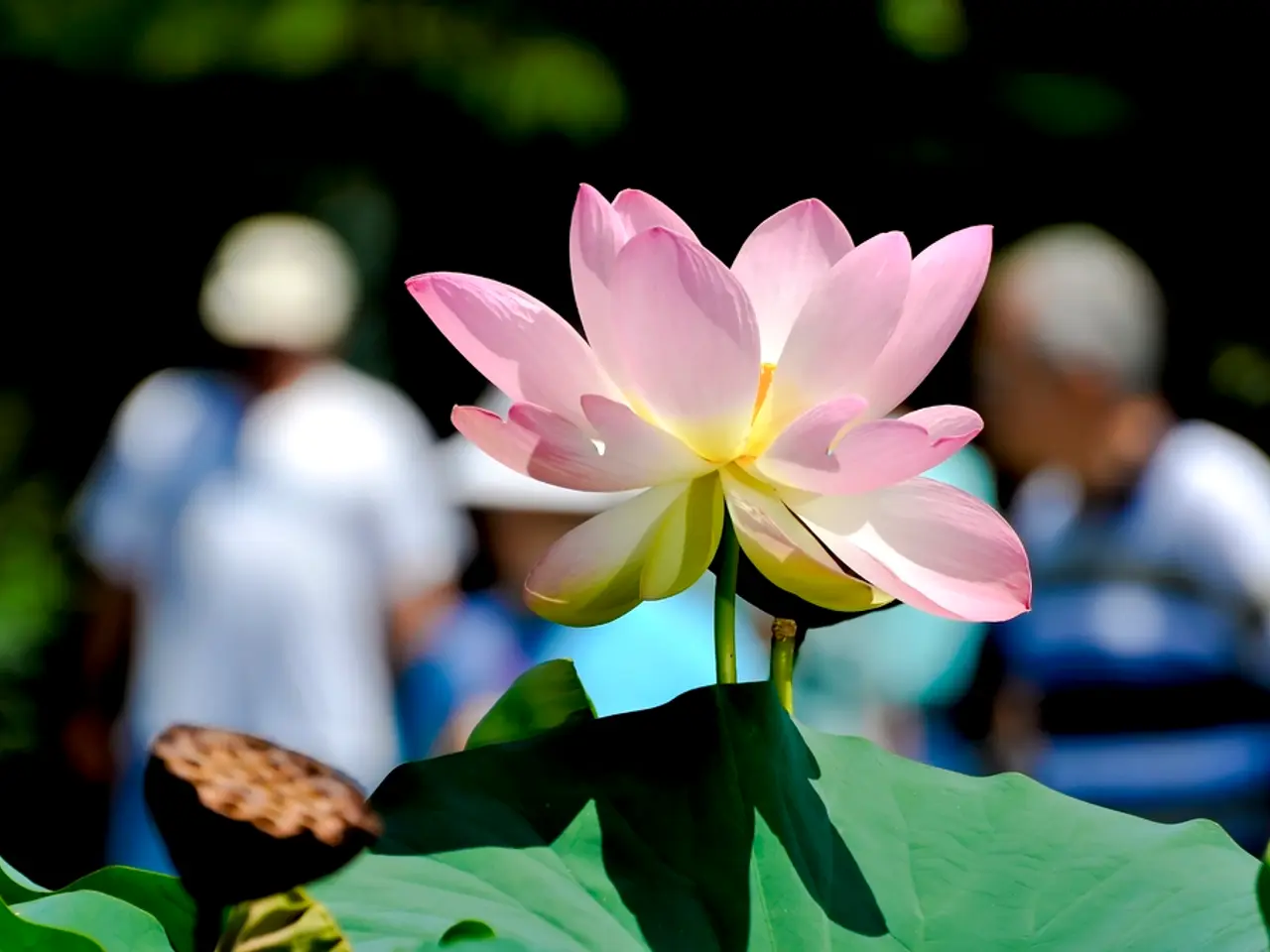
Techniques for Nurturing Orchids: 7 Expert Strategies to Ensure This Tropical Indoor Plant Continues to Flower for Many Years
Caring for Your Orchids: A Comprehensive Guide
Orchids, with their vibrant blooms and unique beauty, are a popular choice for indoor and outdoor gardening. However, their care requirements can be quite specific, reflecting their diverse natural habitats. Here's a breakdown of the essential care tips for some of the most common orchid species.
Phalaenopsis (Moth Orchid)
These popular houseplants thrive in bright, indirect light, and prefer east or north-facing windows. They require temperatures between 18-24°C (65-75°F) and a humidity level of 40-70%. Water when the top inch of the potting mix is dry, using a well-draining orchid mix.
Dendrobium
Dendrobium orchids are similar to Cattleya and Oncidium, preferring bright indirect light. They can tolerate some direct sun. Their temperature range is intermediate to warm, similar to Cattleya. For watering, sparingly in the winter dormant period is recommended, using an orchid bark mix.
Cymbidium
Cymbidium orchids require bright light and can be grown outdoors in cooler climates. They prefer cooler growing temperatures and a moderate humidity level (40-60%). Moist but well-drained potting mix is ideal, with more watering during the growing season.
Paphiopedilum (Lady Slipper)
Paphiopedilum orchids need moderate indirect light and a humidity level of 50-70%. They prefer finer, moisture-retentive media, such as a mix with peat. Keep evenly moist for optimal growth.
Cattleya
Cattleya orchids require bright indirect light, east-facing windows being ideal. They prefer warm days (21-29°C) and cooler nights (13-18°C). Good air circulation is essential, and they require a temperature drop at night for blooming.
Oncidium
Oncidium orchids prefer bright indirect to filtered light, with some direct morning sun. They require similar temperatures to Dendrobium and Cattleya. Water regularly, allowing the potting mix to dry slightly.
General Care Tips
All orchids prefer bright but indirect light, with humidity levels ranging from 40-70%. Direct sunlight can cause leaf burn. Orchids dislike being soggy but also require moisture; overwatering can lead to root rot. Use well-draining orchid potting mixes, often bark-based, except for Paphiopedilum, which prefers finer, moisture-retentive mixes. Good air circulation is crucial to prevent fungal and bacterial diseases.
Additional Tips
- Deadhead spent orchid blooms to encourage reblooming.
- Use a terracotta orchid pot, which promotes air circulation and allows aerial roots to grow through.
- Orchids can be propagated through division, using a garden knife and planting each new division.
- Orchids benefit from a fertilizer at every other watering during their active growth season in spring and summer.
- Be sure to water moss thoroughly, as very dry moss may not immediately absorb water.
- Propagate orchids when they aren't flowering to increase chances of success and survival of each plant.
- Orchid bark is ideal for orchids because it provides an aerated, loose potting mix for their roots to grow in.
This care information is synthesized from expert orchid growers and horticultural sources, highlighting the natural habitats and physiological needs of these genera.
[1][2][3][4] (Sources)
Succulents could also be fantastic additions to your indoor plants collection, enhancing your home-and-garden lifestyle with their unique textures and variety of shapes. Just like orchids, they prefer bright, indirect light and require good air circulation to thrive.
Incorporating a selection of orchids and succulents into your gardening efforts can create a captivating contrast, blending vibrant orchid blooms with the hardy, resilient features of succulents to elevate your living space's aesthetic.