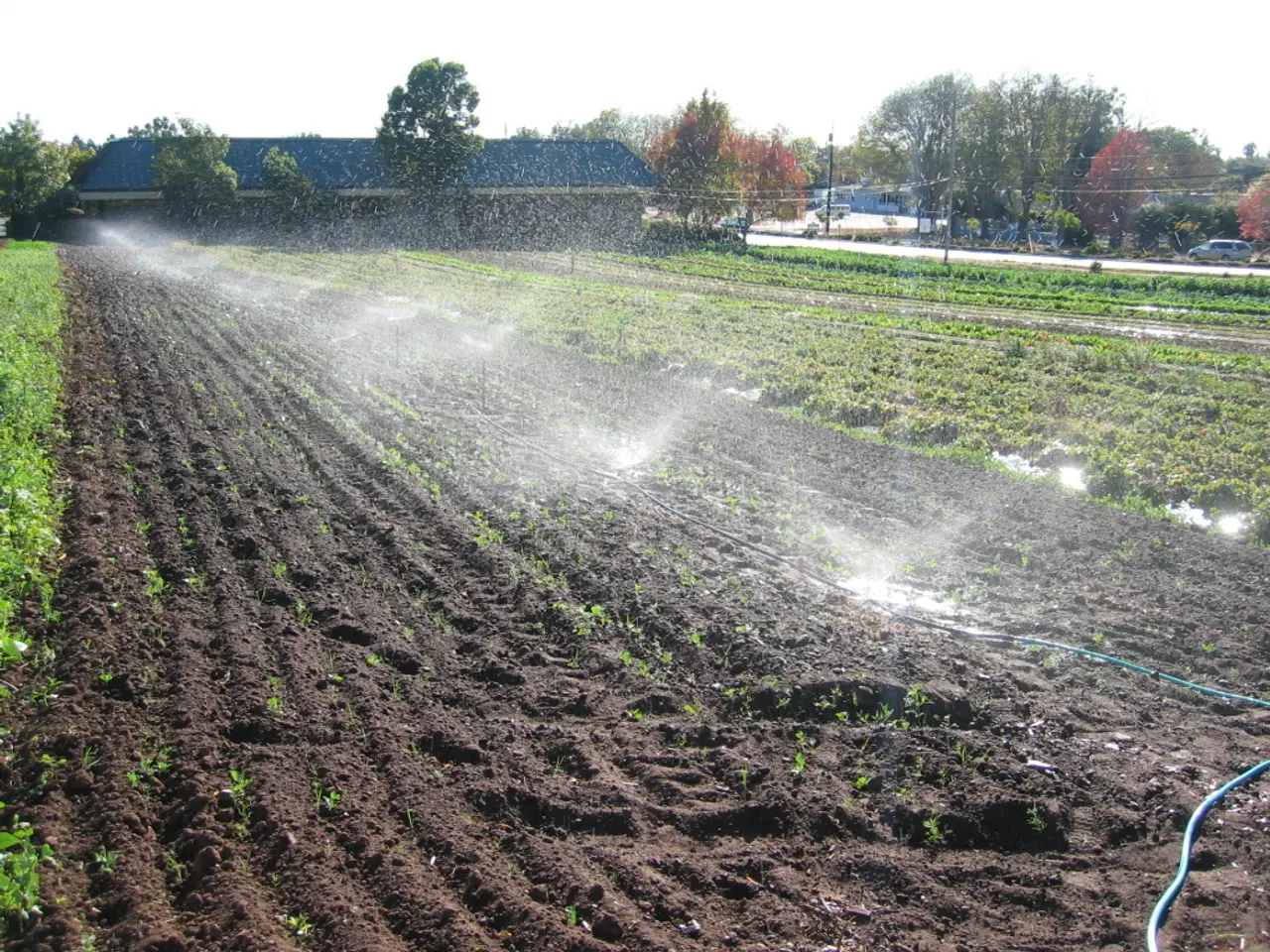
Steps to Avoid Irrigation System Failures: Maintaining a Reliable Performance
In the realm of maintaining a lush, green landscape, a well-functioning irrigation system is the backbone. A well-maintained irrigation system doesn't need miracles – just the right care to function effectively. Here's how to ensure your system stays in top condition year-round.
Regular maintenance is essential to prevent breakdowns and extend the lifespan of your irrigation system. By adhering to a consistent maintenance schedule, you can detect early signs of wear, leaks, clogs, or corrosion. Regular inspections of valves, sprinkler heads, emitters, pipes, and electrical connections are crucial.
Cleaning components periodically, such as sprinkler heads, valves, lines, is also vital. This helps remove dirt, sediment, mineral deposits, and debris that reduce efficiency and cause failures. Testing and adjusting water pressure to stay within recommended ranges is another key aspect, using pressure regulators or booster pumps as needed to prevent misting or damage from high pressure.
Monitoring irrigation timing is also important. Watering plants before 10 a.m. or after 4 p.m. helps reduce evaporation and allows effective water absorption. Observing system operation every 1-2 months ensures sprinklers water the root zones properly without overspray onto sidewalks or streets. Checking for leaks, cracked pipes, or plugged emitters annually or more often depending on system use and environment is also recommended.
In winter or rural areas, pipes and fittings may be damaged by frost or animals. A full inspection at the start of the season is, therefore, recommended. Sealing threaded connections with waterproof thread seal tape during repairs or installation helps prevent leaks. Inspecting and securing electrical wiring for controllers and solenoids, replacing corroded wires, is also essential.
Extraordinary maintenance steps include flushing drip irrigation lines regularly to clear blocked emitters and maintain water flow, lubricating moving parts in control valves and mechanical components to prevent seizing and wear, replacing worn seals and gaskets promptly to avoid leaks in control equipment, and adjusting watering schedules seasonally to respond to changing weather and plant needs.
Adhering to these practices helps ensure efficient water use, conserves landscape health, minimises costly emergency repairs, and extends the life of irrigation systems. When in doubt or for complex issues, consulting irrigation professionals is recommended to maintain optimal system performance.
In summary, prevention centres on frequent inspections, cleaning, pressure management, timely repairs, and seasonal adjustments – all supported by a consistent maintenance schedule. Regular maintenance helps detect these signs early, acting quickly to address these issues prevents further damage to the system, and cleaning filters and nozzles should be done at each seasonal change or more frequently if the water is particularly hard.
- To maintain a well-functioning irrigation system, adhering to a consistent maintenance schedule that includes regular inspections, cleaning of components, and timely repairs is crucial.
- In hard water conditions, it is important to clean filters and nozzles more frequently to prevent clogging and maintain efficiency.
- In winter or rural areas, special care should be taken to inspect and secure electrical wiring, seal threaded connections, and check for frozen pipes or animal damage at the start of the season.