Removing Ground Elder From Your Garden: Insights from the RHS's Top Horticulturist on its Retention or Removal as a Weed
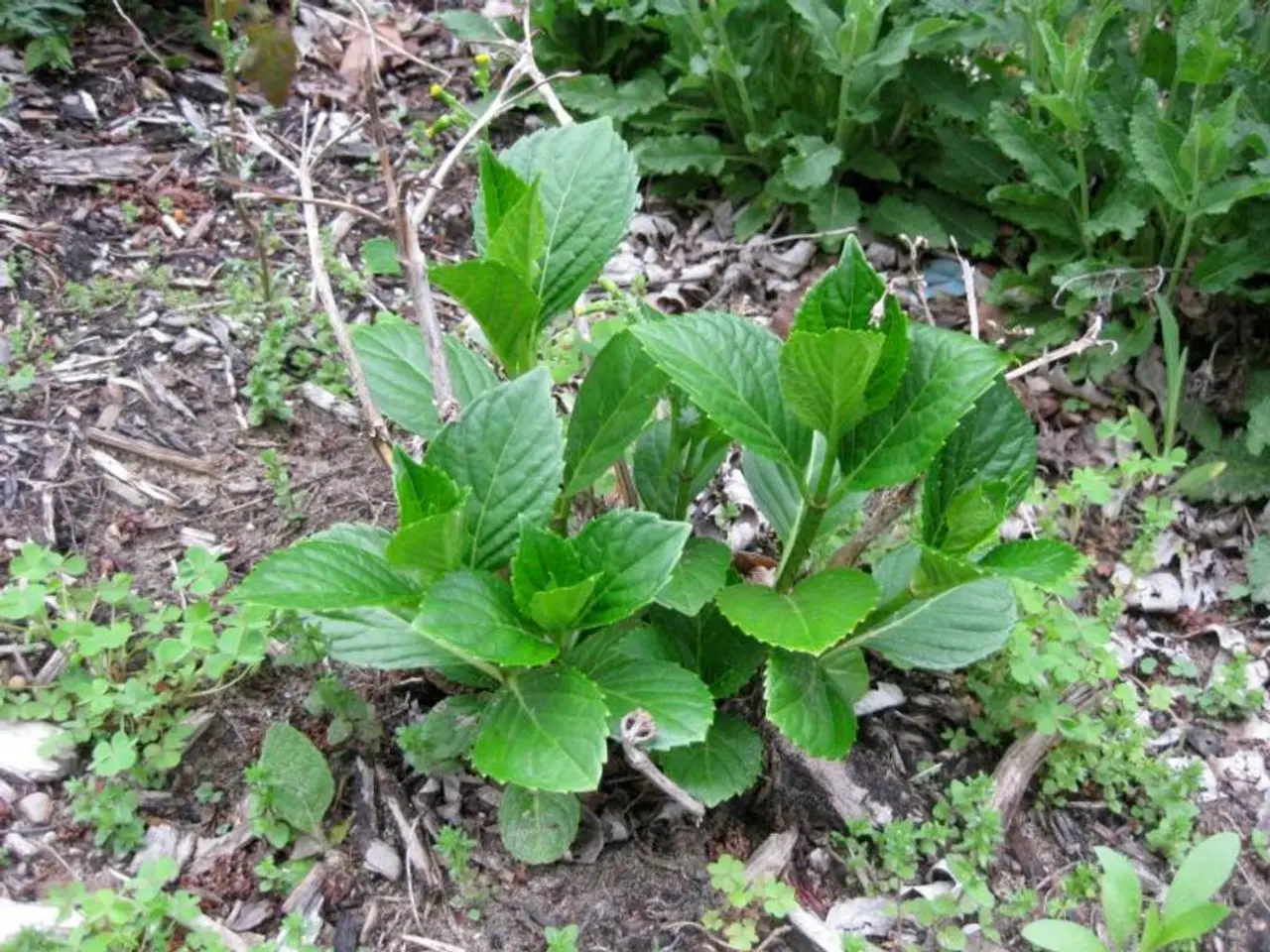
In the quest to maintain a healthy and diverse garden, one common challenge is the invasive weed known as ground elder. Also known by names such as bishop's weed, gout weed, and gout wort, this persistent plant can be found in various parts of the garden, including under shrubs, at the bottom of hedges, and in less-used garden areas.
Fortunately, effective natural methods exist to remove ground elder without harming biodiversity. The key approach is persistent digging to remove as much of the root system (rhizomes) as possible since even small root fragments can regrow the plant. Using a garden fork or weeding tool to carefully loosen soil and extract roots minimizes disturbance to surrounding plants.
Digging up the roots of ground elder is crucial for effective removal. The Spear & Jackson Traditional Stainless Steel Digging Fork is recommended for this task, providing a strong and durable tool for the job. To ensure thorough removal, sieving the soil can help identify and remove small pieces of root.
In addition to digging, smothering the affected area can help control ground elder. This method involves covering the area with cardboard, thick organic mulch (at least 10-15 cm), or black plastic. These materials block sunlight, gradually starving ground elder over 6 to 12 months. This method is particularly suitable for large patches where digging may be impractical, and it avoids chemical impacts on beneficial plants and wildlife.
Chemical treatments are discouraged as they often fail to eliminate deep rhizomes and can damage non-target species and biodiversity. Boiling water or vinegar can knock back growth temporarily but won’t prevent regrowth, so they are of limited use for long-term control.
Combining digging with smothering and maintaining garden persistence is the most effective and biodiversity-friendly strategy to control ground elder naturally. Additional considerations include being careful when applying mulch, as overly thick or compacted layers might retain excess moisture and limit airflow, potentially affecting desired garden plants.
Sowing a strong utility grass seed on the ground elder-infested area and using organic lawn fertiliser, such as the Viano Recovery Organic Lawn Fertiliser 10kg from Thompson & Morgan, can help beat down and eliminate ground elder in sunny spots. Regularly hoeing off emerging shoots can also help prevent ground elder from returning, maintaining a ground elder-free garden.
It is up to the gardener to decide whether to eradicate ground elder or not, depending on the available space and purpose of the garden. Ground elder can support many insect species, including beetles, moths, and occasionally certain butterflies, so some gardeners may choose to coexist with it.
With patience and consistent effort, it is possible to keep ground elder under control in certain areas of the garden. Wearing gardening gloves, such as Sarah Raven's Favourite Gloves, can provide a good grip and protection during the process.
In conclusion, physical removal and light-blocking mulches are recommended as effective natural controls that preserve garden biodiversity while managing invasive ground elder.
Adopting physical removal methods, such as persistent digging and using the Spear & Jackson Traditional Stainless Steel Digging Fork, along with smothering affected areas using cardboard, mulch, or black plastic, is an effective lifestyle choice to manage invasive ground elder in the home-and-garden, while minimizing harm to biodiversity. Regular hoeing off of emerging shoots and maintaining a ground elder-free garden can also be part of a sustainable gardening practice.