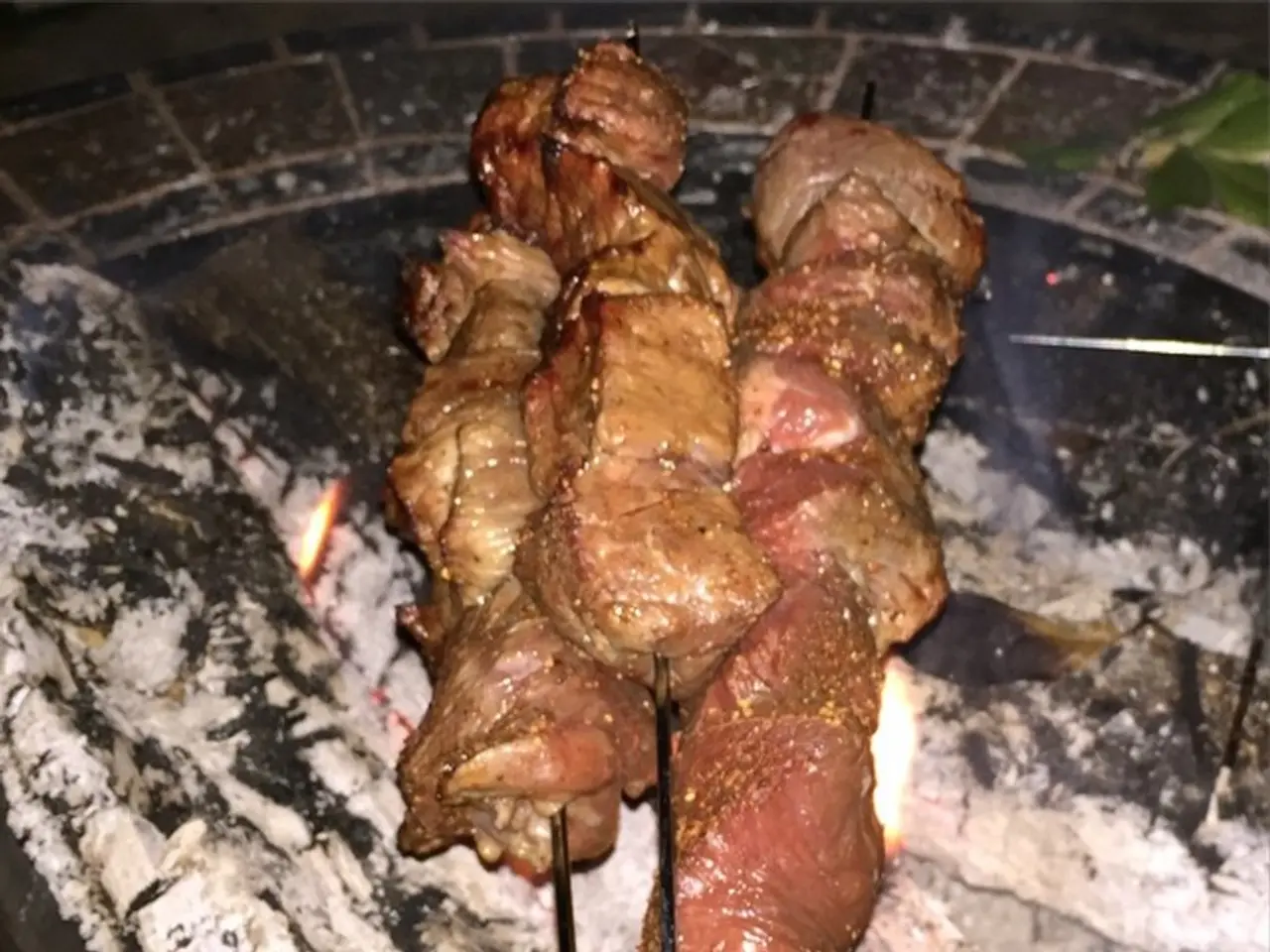
Preparing Canine Meals at Home Yourself
Preparing homemade dog food can be a rewarding way to strengthen your bond with your pet and contribute to their overall well-being, energy, and longevity. By avoiding fillers, artificial additives, and allergens found in commercial food, homemade meals can provide a more balanced diet for your furry friend.
Here are several homemade dog food recipes that meet nutritional requirements with appropriate ratios of protein, vegetables, grains, and fats, based on vet-approved and expert sources:
- Chicken and Rice Delight
- 2 cups cooked shredded chicken
- ½ cup carrots, steamed or boiled
- ½ cup green beans, steamed or boiled
- 1 cup cooked brown rice
- 1 tbsp fish oil
- Beef and Sweet Potato Bowl
- 2 cups lean ground beef
- ½ cup peas, steamed or boiled
- ½ cup spinach, steamed
- 1 sweet potato (mashed)
- 1 tsp olive oil
- Turkey and Vegetable Stew
- 2 cups ground turkey
- ½ cup pumpkin puree
- ½ cup chopped zucchini
- ½ cup cooked quinoa
- 1 tbsp coconut oil
- Vet-Approved Balanced Mix
- 2kg ground chicken + 380g liver
- 7.5 oz pumpkin puree
- 7 oz spinach
- 4 carrots, steamed or boiled
- 12.5 oz green beans, steamed or boiled
- 12.5 oz peas, steamed or boiled
- Brown or white rice (1.5 cups)
- 2 tbsp coconut oil
- Eggshells calcium supplement
- Beef Liver Dinner
- 1 pound chicken breasts
- ½ lb beef liver
- 2 large carrots, steamed or boiled
- 1 red pepper, chopped
- 1 sweet potato, baked and mashed
- 1 tbsp coconut oil
Key Nutritional Guidelines Reflected
- Protein: Lean meats like chicken, turkey, beef, and organ meats (liver) form the primary protein sources, comprising roughly 40-50% of the meal.
- Vegetables: A mixture of low-starch vegetables such as carrots, green beans, spinach, peas, zucchini, pumpkin, and peppers typically make up about 30-40%.
- Grains/Carbohydrates: Whole grains like brown rice, quinoa, sweet potatoes, and rolled oats make up 10-20%, serving as digestible energy sources.
- Healthy Fats: Fish oil, olive oil, and coconut oil are commonly added to provide essential fatty acids important for skin, coat, and joint health.
- Calcium: Ground eggshells or supplements are sometimes used to ensure adequate calcium intake.
Preparation Notes
- Ingredients should be cooked appropriately: meats fully cooked, vegetables steamed or boiled, grains softened.
- Foods should be cooled before serving.
- Organ meats like liver should be included but balanced carefully (too much liver can cause vitamin A toxicity).
- Adding supplements like fish oil and calcium is essential for complete nutrition.
These recipes are aligned with veterinary and holistic nutrition advice to promote balanced meals, avoiding fillers and artificial additives common in commercial dog foods. Adjust quantities based on your dog's size, age, and activity level, ideally consulting a veterinarian or a pet nutritionist for precise formulation.
Avoid harmful ingredients like onions, garlic, chocolate, grapes, or excessive salt in homemade dog food. Whether supplementing commercial food or opting for an entirely homemade diet, preparing dog food at home can be rewarding. Ensuring the nutritional adequacy of homemade dog food is critical. Monitor your dog's weight, energy levels, coat condition, and stool quality.
A balanced homemade dog food recipe should include protein (chicken, turkey, beef, or fish), carbohydrates (brown rice, quinoa, or sweet potatoes), vegetables (carrots, peas, spinach, or green beans), fats (olive oil, fish oil, or chicken fat), and supplements (calcium and vitamins as recommended by a vet). Consult a vet or pet nutritionist to evaluate your homemade dog food recipes and confirm they meet your dog's specific dietary requirements based on its age, breed, size, and activity level. Preparing homemade dog food correctly can offer a nutritious, customizable option for your pet. Regular health checkups are necessary to adjust the diet as needed.
The mixed recipes align with holistic nutrition advice for homemade dog food, including the balanced incorporation of protein, vegetables, grains, healthy fats, and supplements. For example, the Turkey and Vegetable Stew recipe includes protein from ground turkey, vegetables like chopped zucchini and pumpkin puree, brown rice as a carbohydrate source, and coconut oil for healthy fats. Furthermore, these homemade meals can contribute to your pet's lifestyle by improving their overall well-being, energy, and longevity, as they avoid common fillers and artificial additives found in commercial dog food. By adhering to nutritional guidelines and consulting a vet or pet nutritionist, you can cultivate your bond with your pet while providing them with a nourishing home-and-garden diet, suitable for their health and happiness.