Powerful Sacred Species to Boost Your Spiritual Belief
In the heart of Indian culture, plants and trees hold a profound significance that transcends their physical form. NurseryLive, a one-stop solution for all your green needs, offers a diverse collection of these sacred plants, providing an opportunity to bring spirituality into your home.
The Banyan Tree (Ficus benghalensis) symbolizes eternal life and the cosmos, often serving as a place for meditation. It is associated with enlightenment and is considered immortal, making it a favourite among seekers of wisdom.
The Peepal Tree (Ficus religiosa) is revered in both Hinduism and Buddhism, symbolizing protection and spiritual awakening. It is believed to have divine properties and is a preferred spot for meditation and contemplation.
The Neem Tree (Azadirachta indica) is renowned for its medicinal and purification properties. During rituals like Pitru Paksh, it is spiritually significant, symbolizing cleansing and protection.
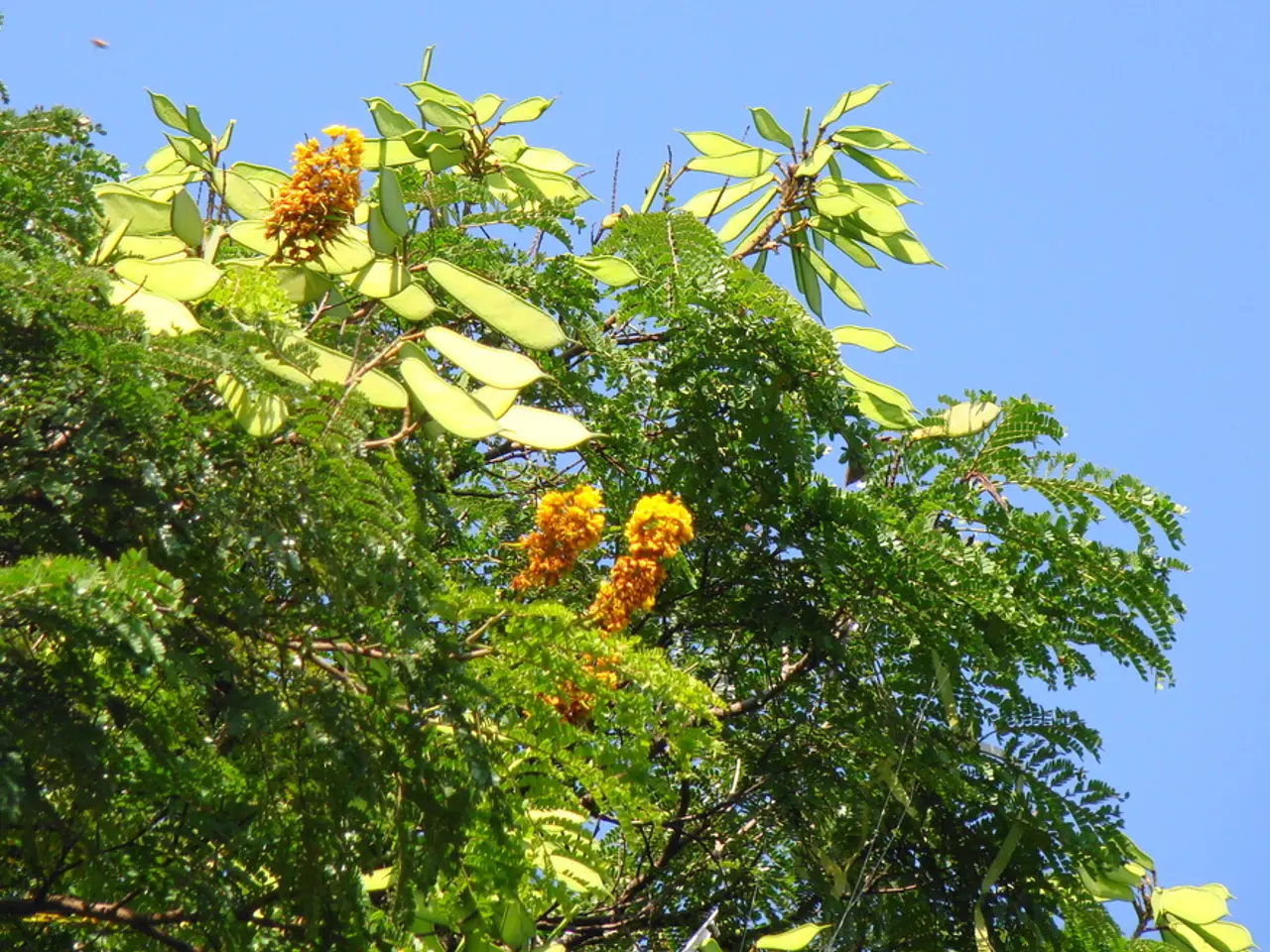
The Ashoka Tree (Saraca asoca) is associated with Hindu mythology and medicinal use, often seen as a symbol of love and fertility.
The Mango Tree (Mangifera indica) is a symbol of fertility and prosperity, with mango leaves used in religious ceremonies and decorations.
The Ber Tree (Zizyphus jujube) holds importance in Sikhism and Hinduism for its sweet fruit, symbolizing nourishment and longevity.
The Jand Tree (Prosopis spicigera) is respected for its leaves used for feeding horses, signifying sustenance and respect in Sikh tradition.
The Imli Tree (Tamarindus indica) is revered for its food and medicinal qualities, symbolizing nourishment and healing in religious contexts.
The Shisham Tree (Dalbergia sissoo) is revered for its strong wood, symbolizing strength and durability in sacred contexts.
The Ritha Tree (Sapindus mukorosa) is known for its cleansing properties, symbolizing purification both physically and spiritually.
These plants are not only venerated for their spiritual symbolism but also deeply embedded in rituals, mythology, and traditional medicine. For example, the Banyan and Peepal trees are closely linked to meditation, enlightenment, and protection, while Neem and Ritha represent purification and healing.
Planting certain trees during sacred periods like Pitru Paksh is believed to bring blessings from ancestors and spiritual merit, emphasizing the interconnectedness of ecological and spiritual duties.
The White Sandalwood Tree is not specified as having a direct association with any deity or mythology, but it is commonly used in religious practices and is commercially cultivated in some parts of India.
The Bel Tree, or Bilva Patra, is considered highly sacred due to its association with Hindu mythology, particularly Lord Shiva. The leaves of the Bel tree are often offered to the deity Shiva.
The Sita Ashok Tree is sacred throughout the Indian subcontinent. Its flower is the state flower of the Indian state of Odisha. The ashoka tree has religious and spiritual significance attached to it and is associated with Lord Buddha, who is said to have been born under the Ashoka tree.
It is believed that seeing a Coconut Tree on a new year's eve indicates good fortune.
The Parijaat Tree, also known as Night Flowering Jasmine, is believed to have been brought from heaven by Lord Krishna for his wife, Rukmini. The flower is a favorite of Goddess Lakshmi and is used to worship her.
The Kadam Tree is associated with Lord Krishna and Goddess Durga. It is believed that Lord Krishna spent his childhood and played the flute under this tree, while Goddess Durga is believed to have resided in the Kadamb forest.
The Tulsi Plant is a sacred plant in Indian mythology, found in many households. It comes in varieties like green tulsi and black tulsi. The leaves of the tulsi plant are known to cure cold and cough.
The Peepal Tree is worshipped in the majority of Indian households, as it is believed that Goddess Lakshmi sits under the tree every Saturday. Some Hindu mythologies indicate that Lord Vishnu took shelter under this tree during a war.
Worshipping Banyan trees is considered to be highly auspicious.
By cultivating these sacred plants, you not only contribute to the beauty of your surroundings but also deepen your connection with Indian mythology and spirituality. NurseryLive offers these plants and more at affordable prices, making it easier than ever to bring the sacred into your home.
- NurseryLive offers the Banyan Tree (Ficus benghalensis), a sacred symbol of eternal life and the cosmos, for your home.
- Peepal Tree (Ficus religiosa), revered for protection and spiritual awakening, can be found in their diverse collection.
- Neem Tree (Azadirachta indica), known for its medicinal and purification properties, is available for purchase as seeds or potted plants.
- The Ashoka Tree (Saraca asoca), often seen as a symbol of love and fertility, can be added to your home garden.
- Mango Tree (Mangifera indica), a symbol of fertility and prosperity, is another option from their extensive selection.
- The Ber Tree (Zizyphus jujuba), with sweet fruit symbolizing nourishment and longevity, is available at their nursery.
- For those seeking strength and durability, the Shisham Tree (Dalbergia sissoo) can be securely purchased for your home or garden.