Managing the Mayhem in Mustard Greens: Strategies for Combatting Cabbage Worms
In the blooming season of spring, garden starters can face a variety of challenges, one of which is the attack of common pests. These pests, including aphids, flea beetles, cabbage worms, root maggots, and slugs, can damage young plants by feeding on leaves, stems, and roots, leading to stunted growth or even plant death.
To prevent and treat these pests, gardeners can employ a range of strategies. For instance, aphids, small soft-bodied insects that cluster on young leaves and stems, can be managed by attracting beneficial insects like ladybugs, lacewings, and parasitic wasps. This can be achieved by planting companion flowers such as marigolds, nasturtiums, and goldenrod that attract these predators. Treatment for aphids can involve spraying plants with soapy water or a hydrogen peroxide solution (full strength spray) to kill them without harming plants or beneficial insects.
Flea beetles, small jumping beetles that chew small holes in leaves, especially on cucumbers and similar plants, can be prevented by protecting seedlings with row covers or maintaining garden cleanliness to eliminate overwintering sites. In severe infestations, chemical or organic insecticides may be used.
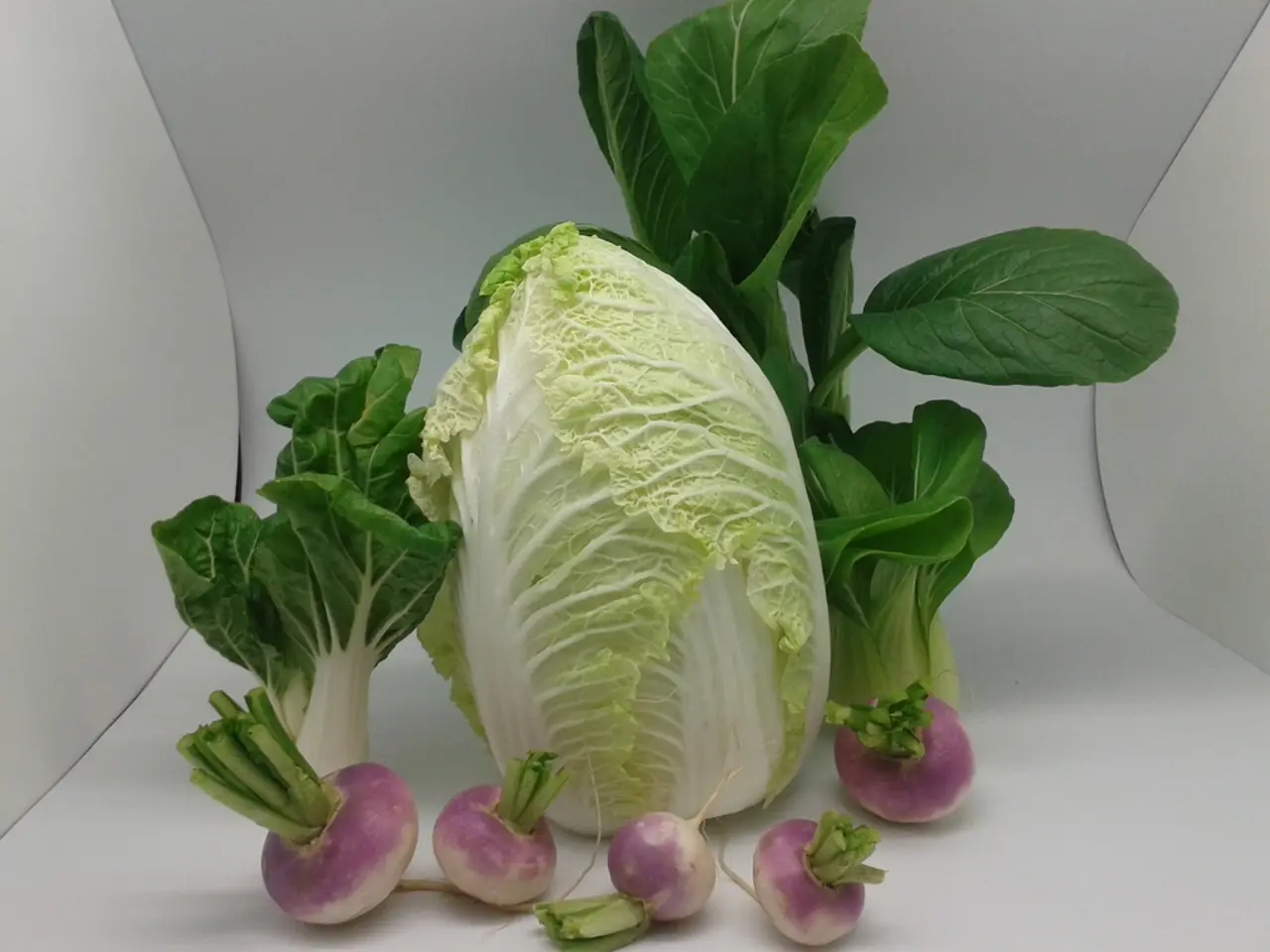
Cabbage worms and root maggots, common on brassicas like broccoli and cabbage, can be prevented by using floating row covers early in the season to block adults from laying eggs. Crop rotation and removal of plant debris also reduce pest habitat. Insecticidal soaps or Bacillus thuringiensis (Bt) are effective treatments.
Slugs, which create holes in leaves, particularly on hostas and other tender plants, can be prevented by eliminating hiding places such as mulch layers immediately adjacent to plants. Treatments include slug baits like Sluggo and handpicking at night.
Preventive strategies also include selecting resistant plant varieties, starting seeds indoors to give seedlings a head start, and maintaining good garden hygiene. Companion planting with pest-repellent or beneficial insect-attracting plants (e.g., marigolds, nasturtiums, alliums) supports natural pest control.
In summary, common spring pests for garden starters are aphids, flea beetles, cabbage worms, root maggots, and slugs, and they can be managed effectively with integrated pest management combining cultural practices, beneficial insects, mechanical barriers, and targeted organic treatments.
[1] Gardening Know How [2] University of California Agriculture and Natural Resources [3] Cornell University Extension [4] University of Vermont Extension [5] Mother Earth Living
By Jessica Dawe, April 14, 2016.
- To protect the home-and-garden from these common pests, gardeners can employ various strategies such as companion planting with pest-repellent plants like marigolds, and attracting beneficial insects such as ladybugs and lacewings.
- Adopting a lifestyle that prioritizes gardening and incorporates preventive measures like eliminating slug hiding places and using slug baits, or cultural practices like crop rotation, can help maintain a healthy home-and-garden during the blooming season of spring.