Guidelines for Consuming Edible Blooms: A Comprehensive Overview on Garden Flowers for Consumption
In the realm of gardening and culinary arts, edible flowers have gained popularity for their ability to enhance visual appeal and add sophistication to dishes. However, it's essential to remember that not all flowers are safe to eat, and proper identification and verification are crucial before consumption.
Gardening expert Larry Meyers, with over 10 years of experience, aims to share his knowledge and create a one-stop shop for all gardening information and needs. Meyers emphasises the importance of verifying the edibility of a flower before consuming it and removing the pistils and stamens where necessary.
Some popular edible flowers include nasturtiums, lavender, borage, calendula, chives, and daisies. Nasturtiums, known for their peppery flavour, are suitable for salads and stuffed dishes, while borage offers a refreshing cucumber-like taste that's perfect for salads, soups, and as a garnish. Calendula, with its tangy taste, is ideal for soups and stews, and chive blossoms can be mixed into cream sauces for a hint of onion flavour.
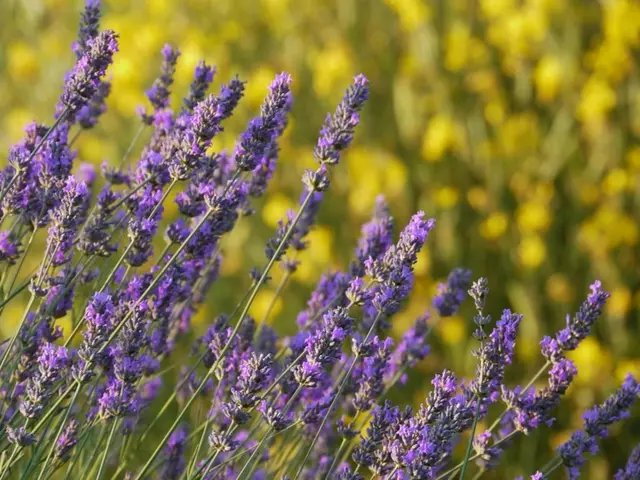
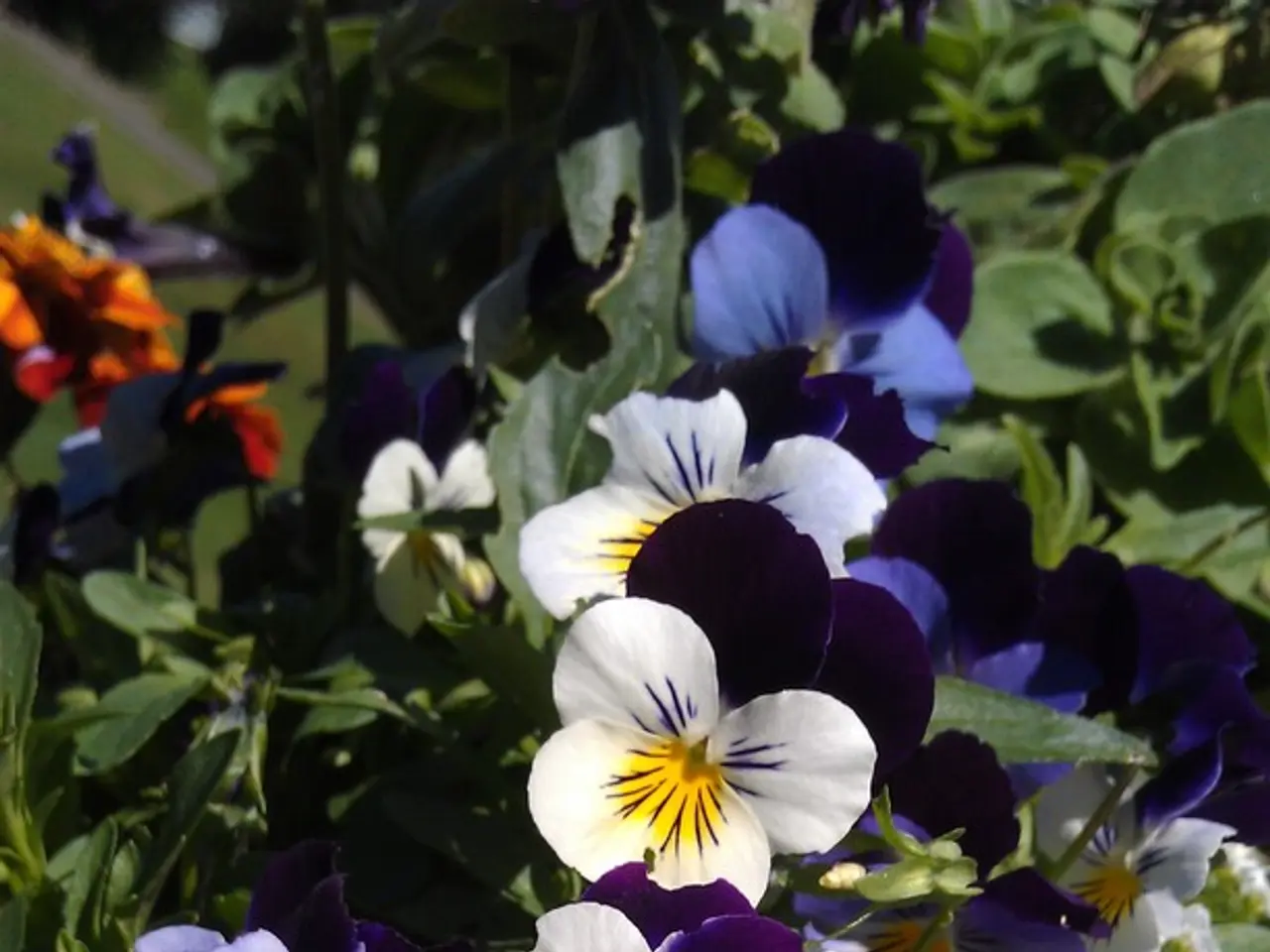
Violas add colour to pastries and their mild flavour pairs well with most ingredients, making them a popular choice for desserts. Lavender, with its floral taste, is perfect for desserts and teas, and can be sprinkled on roasted meats for a floral aroma.
Daisies, with their mildly sweet and grassy flavour, pair well with sponge cakes and buttercream frosting, adding a rustic charm. Cornflowers, with their clove-like spice and subtle sweetness, complement rich chocolate cakes and nut-based frostings. Pansies, with their fresh and grassy flavour, pair well with lemon cakes and cream cheese frostings, adding vibrant colour and flavour.
Certain flowers, such as lily of the valley, foxglove, and amaryllis, are harmful and should be avoided. It's also crucial to ensure that edible flowers are free from pesticides and other chemicals. Regular watering is crucial for edible flowers, but overwatering should be avoided, and most edible flowers prefer a sunny location with well-drained soil.
When using edible flowers in culinary creations, it's recommended to introduce them slowly into the diet for those with allergies. Incorporating edible flowers can bring a unique twist to everyday dishes, from adding a subtle, peppery kick to pizza with arugula flowers to creating delightful fritters with squash blossoms.
Hibiscus flowers infused into syrup bring a vibrant red hue and a tart, cranberry-like flavour, while roses offer a classic touch to syrups or can be candied for cake decorations. Edible flowers from a garden can include varieties such as hostas, borage, nasturtiums, daylilies, and dandelions.
Trust your taste buds, but not before researching the edibility and flavour of a flower. Proper identification is key when consuming edible flowers, and it's always best to harvest flowers early in the day, after the dew has evaporated, and choose blossoms that are at their peak.
In conclusion, edible flowers can be a delightful addition to both gardening and culinary pursuits. With the right knowledge and careful consideration, these beautiful blooms can transform ordinary dishes into extraordinary creations.
- Nasturtiums, borage, calendula, chives, daisies, and violas are popular edible flowers that add flavor and visual appeal to various dishes like salads, soups, desserts, and cream sauces.
- Lavender, with its floral taste, is suitable for desserts, teas, and roasted meats, while daisies pair well with sponge cakes and buttercream frosting.
- Care must be taken when using edible flowers, as some varieties such as lily of the valley, foxglove, and amaryllis are harmful and should be avoided. Proper identification, removal of pistils and stamens, and verification of edibility are essential before consumption.