Experts Reveal 18 Types of Plants That Should Never Be Decapitated
In the world of gardening, the practice of deadheading - removing spent flowers to encourage more blooms - is a common technique. However, there are many plants that offer significant benefits when left to go to seed or keep their spent blooms.
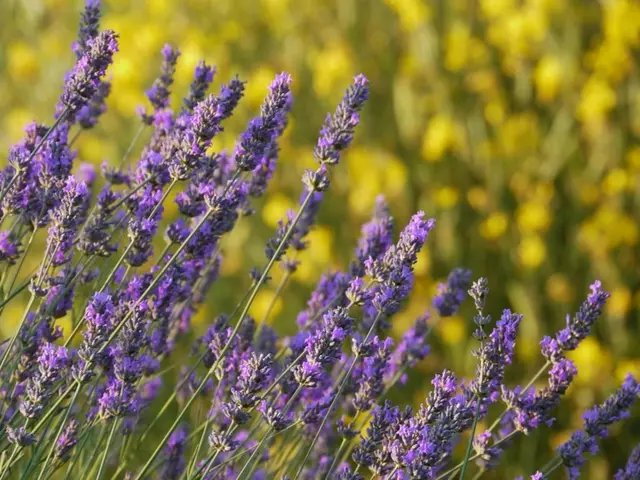
Perennial Verbenas, with their airy blooms that butterflies adore, are one such example. Cutting them too early stops new clusters and disrupts pollinator visits. Similarly, Russian Sage's lavender-blue flowers persist into fall, providing a soft silhouette in the garden that is robbed when they are cut during bloom.
Coneflowers (Echinacea) are another plant that should not be deadheaded. Leaving spent blooms allows seedheads to develop, which are a vital food source for finches in fall and winter. Removing them prematurely deprives birds of nutrition. Hollyhock (Alcea rosea) and California poppy (Eschscholzia californica) are self-seeding plants that benefit from letting flowers go to seed to spread naturally and expand the garden.
Plants prized for fall/winter seedheads or dried flowers, such as Hydrangeas, Money Plant (Lunaria annua), and ornamental grasses like Chinese silver grass (Miscanthus sinensis), also provide seasonal interest through their dried blooms. Self-cleaning annuals like Begonias, lobelias, lantanas, and impatiens shed spent blooms naturally and generally do not require deadheading.
The benefits of letting plants go to seed or keeping spent blooms are numerous. They support wildlife, particularly during colder months, as many seedheads provide critical food for birds and other animals. They also encourage natural reseeding, allowing self-seeding plants to multiply and spread without gardener intervention, expanding the garden in subsequent seasons.
Additionally, dry seedheads and spent blooms can enhance fall and winter garden aesthetics and can be collected for indoor arrangements. Preserving genetic diversity is another advantage, as allowing some plants to set seed ensures natural variation and sustainability of plant populations.
On the other hand, deadheading is generally done to encourage more blooms, extend flowering duration, promote bushier plant growth, improve plant health, and prevent unwanted self-seeding. Deciding whether to deadhead depends on the plant species and your gardening goals - whether you prioritize prolonged flowering displays or natural wildlife support and self-seeding.
For example, Columbines are natural reseeders and removing a flower means losing the chance at next season's blooms. Yarrow's flat-top blooms last indefinitely and become seed heads that birds enjoy later. Full removal stops seed set and limits wildlife attraction. Borage offers a non-stop array of star-shaped blue blossoms and is beneficial for bees. Asters create a vital late-season nectar source for bees. Cutting them in June kills both their benefits and the interest they provide.
Bee Balm (Monarda) reseeds energetically and blooms profusely. Removing all flowerheads may restrict their long season of color. Many flowers provide seeds or nectar to pollinators and birds, and deadheading removes essential food resources. Lupine is beloved by bees and butterflies, particularly when its seedpods form. Cutting blooms early prevents natural reseeding.
Rudbeckia's sunny flowers transform into seed clusters highly sought after by native birds like goldfinches. Some flowers are self-cleaning, meaning they drop spent blooms on their own. Common Sunflower (Helianthus annuus) provides seeds that are essential food for birds during winter. Deadheading them stops seed development and limits feeding opportunities.
Goldenrod's tall plumes feed bees in late summer and birds through fall. Deadheading stifles its ecological role and seasonal interest. Cutting the flower stalk of plants with an indeterminate bloom pattern can halt further blooming. Trailing Petunia/Supertunia are "self-cleaning," meaning spent flowers drop on their own and don't need your TLC.
In conclusion, selectively letting certain plants go to seed or keeping spent blooms can support ecology, aesthetics, and natural plant propagation. It's beneficial to strike a balance between deadheading for a neat appearance and allowing plants to fulfil their ecological roles. After all, a garden that supports wildlife and conserves labor while elevating your garden's natural rhythm is a truly beautiful one.
- Perennial Verbenas, with their blooms loved by butterflies, should not be cut too early to prevent disruption of pollinator visits and new cluster growth.
- Russian Sage's long-lasting lavender-blue flowers provide a soft silhouette in the garden, but are robbed when removed during bloom.
- Coneflowers (Echinacea) should not be deadheaded, as leaving spent blooms allows seedheads to develop, which are a vital food source for finches in fall and winter.
- Hollyhock and California poppy are self-seeding plants that benefit from keeping flowers to spread naturally and expand the garden.
- Hydrangeas, Money Plant (Lunaria annua), and ornamental grasses like Chinese silver grass provide seasonal interest through their dried blooms.
- Self-cleaning annuals like Begonias, lobelias, lantanas, and impatiens shed spent blooms naturally and generally do not require deadheading.
- Deciding whether to deadhead depends on the plant species and your gardening goals - whether you prioritize prolonged flowering displays or natural wildlife support and self-seeding.