Cultivating the Miniature Chinese Elm Tree: essential guidelines
Caring for Your Chinese Elm Bonsai: A Comprehensive Guide
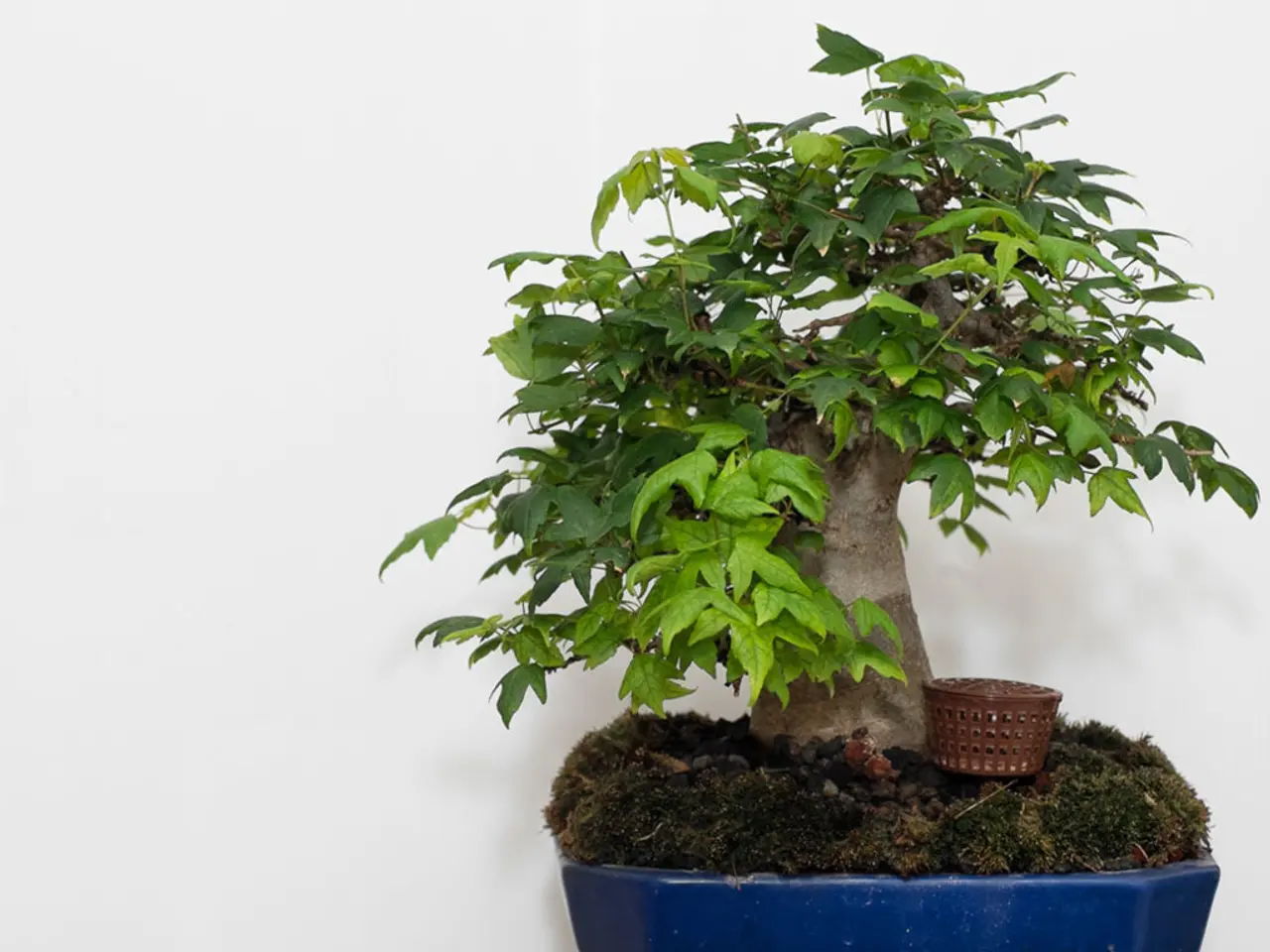
The Chinese Elm Bonsai, a popular choice among both beginners and experienced hobbyists, is a versatile tree that can thrive indoors and outdoors. With its attractive bark, interesting branch structure, and vibrant foliage, this tree makes a beautiful addition to any home.
Indoor Care
For indoor keeping, Chinese Elm Bonsai requires a bit more attention. They thrive in room temperatures typical of indoor environments, preferring moderate temperatures between 60-75°F. During dormancy periods, they benefit from cooler temperatures. Avoid extreme heat or cold drafts.
Place your Chinese Elm Bonsai near a window that receives indirect or filtered sunlight. If natural light is insufficient, supplement with grow lights. Be mindful to avoid harsh direct midday sun indoors to prevent leaf burn.
Water your Chinese Elm Bonsai when the topsoil feels dry to the touch, not on a fixed schedule. During warmer months, you may need to check moisture daily. Use a watering can with a soft spout, allow excess water to drain well, and avoid letting roots sit in standing water, which can cause root rot.
Fertilize your Chinese Elm Bonsai with a balanced fertilizer during the growing season (spring through early fall). Follow label instructions and avoid over-fertilizing, which can cause nutrient burn. Organic or bonsai-specific fertilizers are appropriate.
Regular pruning is essential to maintain the tree’s shape and promote growth in specific areas. Use sharp, clean pruning shears to avoid damaging the bark or branches. Regularly trim new growth to maintain the tree’s shape, and remove unwanted branches carefully, leaving small stubs to dry before making smooth final cuts the following season.
Monitor your Chinese Elm Bonsai for pests or stress signs regularly. Common pests include aphids or spider mites. Treat infestations promptly with appropriate insecticidal soap or neem oil and maintain good humidity and airflow to prevent issues.
Care Across Key Aspects
- Temperature: Chinese Elm bonsai thrive in room temperatures typical of indoor environments but benefit from cooler temperatures during dormancy periods. Avoid extreme heat or cold drafts.
- Lighting: Provide bright, indirect sunlight. If natural light is insufficient, supplement with grow lights.
- Watering: Water when the topsoil feels dry to the touch, not on a fixed schedule.
- Fertilizing: Use a balanced fertilizer during the growing season (spring through early fall).
- Pruning: Regularly trim new growth to maintain the tree’s shape.
- Pest Control: Monitor for pests or stress signs regularly.
- Propagation: Chinese Elm bonsai can be propagated from cuttings or air layering.
- Repotting: Repot annually or every 1-2 years in well-draining bonsai soil that supports gas exchange.
These guidelines collectively support healthy growth and longevity of an indoor Chinese Elm Bonsai.
Outdoor Care
When kept outdoors, Chinese Elm Bonsai requires less frequent watering and care, as it is more resilient to outdoor conditions. However, it still requires regular watering, fertilizing, pest control, pruning, and more for proper care.
Features and Propagation
The leaves of the Chinese Elm Bonsai are small, oval-shaped, and serrated along the edges. In Fall, they turn vibrant shades of orange or yellow before falling off.
Propagating Chinese Elm Bonsai can be done through cuttings or air layering. The Chinese Elm Bonsai originated in China, Korea, and Japan.
Pest Control
Common pests include aphids, spider mites, and scale insects. Aphids cause curling of new growths and leave sticky honeydew behind as they feed on stems and leaves. To prevent spider mite infestation, regularly mist the tree with water and keep humidity levels high. Use a horticultural oil spray to control scale insect populations.
Determining Aliveness
To determine if a Chinese Elm Bonsai is still alive, try scratching a small area of bark with a sharp knife. If there's green underneath, it means there's still some living tissue present.
Repotting
The ideal time to repot a Chinese Elm Bonsai is in early spring, when roots are circling around the bottom of the pot or growing out of drainage holes. Choose a new pot that is slightly larger than the previous one, but not too big, and use a well-draining bonsai tree soil mix. Root pruning is done during repotting to encourage fine root growth and keep the tree compact.
With proper care and attention, your Chinese Elm Bonsai will thrive and provide you with years of enjoyment.
- Lifestyle: Caring for an indoor Chinese Elm Bonsai can become an enjoyable part of your lifestyle, as it requires routine monitoring and attention.
- Home-and-Garden: Placing a Chinese Elm Bonsai in your home creates a natural and tranquil ambiance, making it not just a plant but also a beautiful contributor to your home-and-garden decor.