Comprehensive Instructions for Cultivating Tomatoes Within Your Home
Growing tomatoes indoors can be a rewarding experience, enabling you to harvest fresh fruit regardless of the outdoor weather. To achieve consistent indoor tomato success, it's essential to pay attention to variety selection, lighting, temperature, and care practices. Here's an expert, step-by-step guide to help you grow tomatoes indoors all year round.
## Select the Right Tomato Variety
Choose compact or determinate varieties, such as 'Tiny Tim', 'Red Robin', or 'Patio' types, as they grow to a manageable size and are ideal for indoor containers. Indeterminate varieties can also work, but they require adequate support and pruning in large containers. For small spaces, select dwarf or micro varieties specifically bred for containers and indoor growing.
## Procure Supplies
- Seeds or seedlings: Start with fresh seeds or purchase healthy young plants. - Containers: Use pots at least 12–18 inches deep with good drainage. Fabric pots are often recommended for better root health. - Growing medium: Opt for high-quality, well-draining potting mix—avoid garden soil. - Grow lights: LED or fluorescent lights are essential for consistent, strong growth indoors. - Heat mat (optional): Helps maintain soil at 70–80°F (21–27°C) during germination. - Supports: Stakes, cages, or trellises for taller varieties. - Fertilizer: Use a balanced, slow-release fertilizer for continuous feeding.
## Step-by-Step Cultivation
### 1. Starting Seeds - Sow seeds: Plant seeds 1/4 inch deep in seed-starting mix, 2 seeds per cell or pot. - Warmth: Keep soil at 70–80°F (21–27°C) using a heat mat if needed. - Moisture: Mist lightly; keep soil damp but not soggy. - Germination: Seeds typically sprout in 5–10 days at optimal temperature.
### 2. Seedling Care - Light: After germination, provide 14–16 hours of bright light daily. Use grow lights 2–4 inches above seedlings to prevent leggy growth. - Water: Keep soil moist; avoid overwatering to prevent disease. - Airflow: Ensure good air circulation to discourage mold and damping-off. - Thinning: Remove weaker seedlings, leaving one strong plant per pot after true leaves form.
### 3. Transplanting - Move to larger pots: After 2–3 weeks, transplant seedlings into 3–4 inch pots with nutrient-rich potting mix, burying the stem deep to encourage root development. - Final container: After another few weeks, move plants to their permanent, large (12–18 inch) containers.
### 4. Ongoing Care - Light: Maintain 14–16 hours of artificial light per day. Natural sunlight from a south-facing window is helpful but rarely sufficient alone. - Temperature: Keep daytime temperatures around 70–80°F (21–27°C) and nighttime temps above 60°F (15°C). - Water: Water deeply when the top inch of soil feels dry. Avoid letting soil dry out completely. - Fertilize: Use a balanced fertilizer or compost every 2–4 weeks. Reduce nitrogen once flowering begins to encourage fruiting. - Pollination: Gently shake plants or use a small brush to transfer pollen between flowers, as indoor plants lack natural pollinators.
### 5. Pruning and Support - Prune suckers: Pinch off side shoots (suckers) to direct energy to fruit production, especially for indeterminate varieties. - Support: Use stakes or cages to keep plants upright and prevent breakage.
### 6. Pest and Disease Management - Monitor: Check regularly for pests like aphids or spider mites. - Prevent disease: Avoid overhead watering, ensure good airflow, and use sterile potting mix.
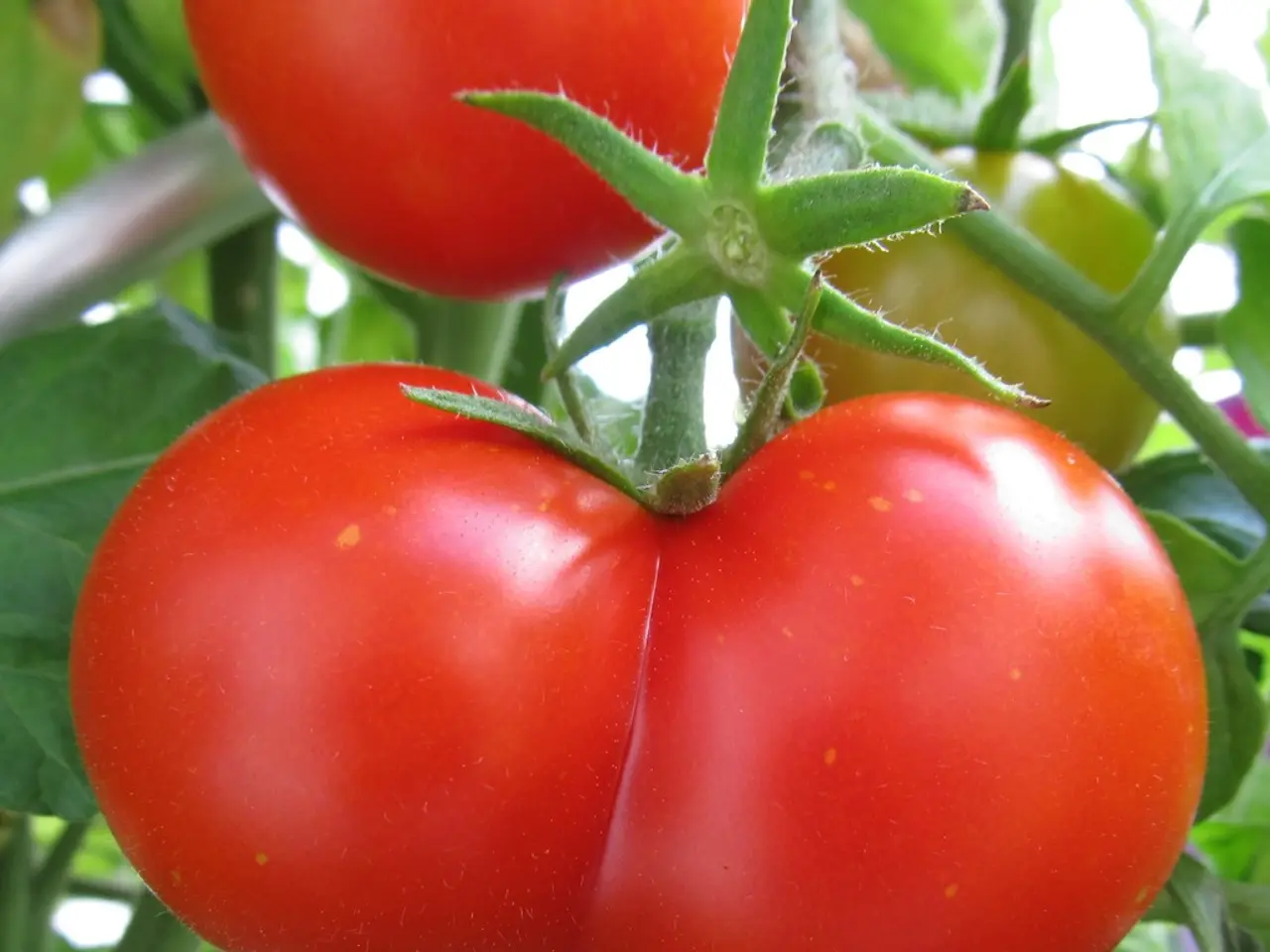
### 7. Harvesting - Pick fruit: Harvest when tomatoes are fully colored and slightly soft. - Replant: For continuous harvest, start new seeds every 6–8 weeks to keep a rotation of plants at different growth stages.
## Expert Tips for Success
- Consistent environment: Tomatoes need stable temperatures, humidity, and lighting. Fluctuations can stress plants and reduce yield. - Space management: Use compact varieties and prune regularly to fit your indoor space. - Rotate crops: Replace plants periodically to prevent disease buildup and soil nutrient depletion. - Experiment: Try different varieties and techniques to see what works best in your specific indoor environment.
## Summary Table: Key Requirements for Indoor Tomatoes
| Factor | Requirement | |------------------|-----------------------------------------------| | Light | 14–16 hrs/day (artificial + sunlight) | | Temperature | 70–80°F (21–27°C) day, >60°F (15°C) night | | Water | Keep soil moist, never soggy | | Container | 12–18 inch, well-draining | | Soil | High-quality, well-draining potting mix | | Fertilizer | Balanced, slow-release | | Pollination | Hand pollinate for best results |
With attentive care, proper lighting, and regular maintenance, you can enjoy homegrown tomatoes indoors all year round.
- To grow tomatoes indoors successfully, consider choosing compact or determinate varieties, such as 'Tiny Tim', 'Red Robin', or 'Patio' types.
- Procure the necessary supplies for indoor tomato gardening, including seeds or seedlings, containers, growing medium, grow lights, a heat mat, supports, fertilizer, and a proper watering system.
- Learn the step-by-step cultivation process, starting with sowing seeds in a seed-starting mix at an optimal temperature of 70–80°F (21–27°C).
- Upon germination, provide the seedlings with adequate light, water, airflow, and care before transplanting them into larger pots.
- As the plants mature, follow ongoing care instructions for lighting, temperature, watering, fertilizing, pruning, and support to encourage fruit production.
- Monitor for pests and disease, prevent them by maintaining good airflow and using sterile potting mix.
- Harvest the tomatoes when they are fully colored and slightly soft, and replace plants periodically to maintain optimal growth conditions.
- Adopting organic methods like hydroponics, compost, and using home-and-garden recipes for natural fertilizers can contribute to a sustainable, eco-friendly food-and-drink lifestyle.