Comprehensive Guide for Start-Up Seeds: All You Need to Know About Starting Seeds
Seed starting is a process that allows gardeners to grow plants from seeds and transplant them to the garden. This method is beneficial for growers faced with a short growing season, as it allows for early crop growth.
When choosing seeds, it's important to select high-quality seeds and varieties suitable for the region's climate for faster germination and better yield. Seeds can be divided into two broad categories: warm weather seeds and cold weather seeds.
Warm weather seeds do well in a warm growing environment and prefer warmer soil. Examples of warm weather seeds include summer vegetables and flowers like cucumbers, tomatoes, squash, beans, tomatillos, eggplant, peppers, basil, coleus, marigolds, zinnias, and nasturtiums.
On the other hand, cold weather seeds prefer cooler climates and many can tolerate light frost. Examples of cold weather seeds include lettuce, kale, broccoli, beets, radishes, peas, carrots, spinach, kohlrabi, parsley, cilantro, and cabbage.
For indoor seed starting, using a soilless seed starting mix is ideal. A good mix typically consists of equal parts sphagnum peat moss (or coco coir), perlite, and vermiculite. This combination ensures excellent aeration, moisture retention, and drainage, which are essential for seed germination. Seeds that take a long time to mature or are sensitive to root disturbance (e.g., tomatoes, peppers) often benefit from starting indoors, giving them a head start in controlled conditions before transplanting outside.
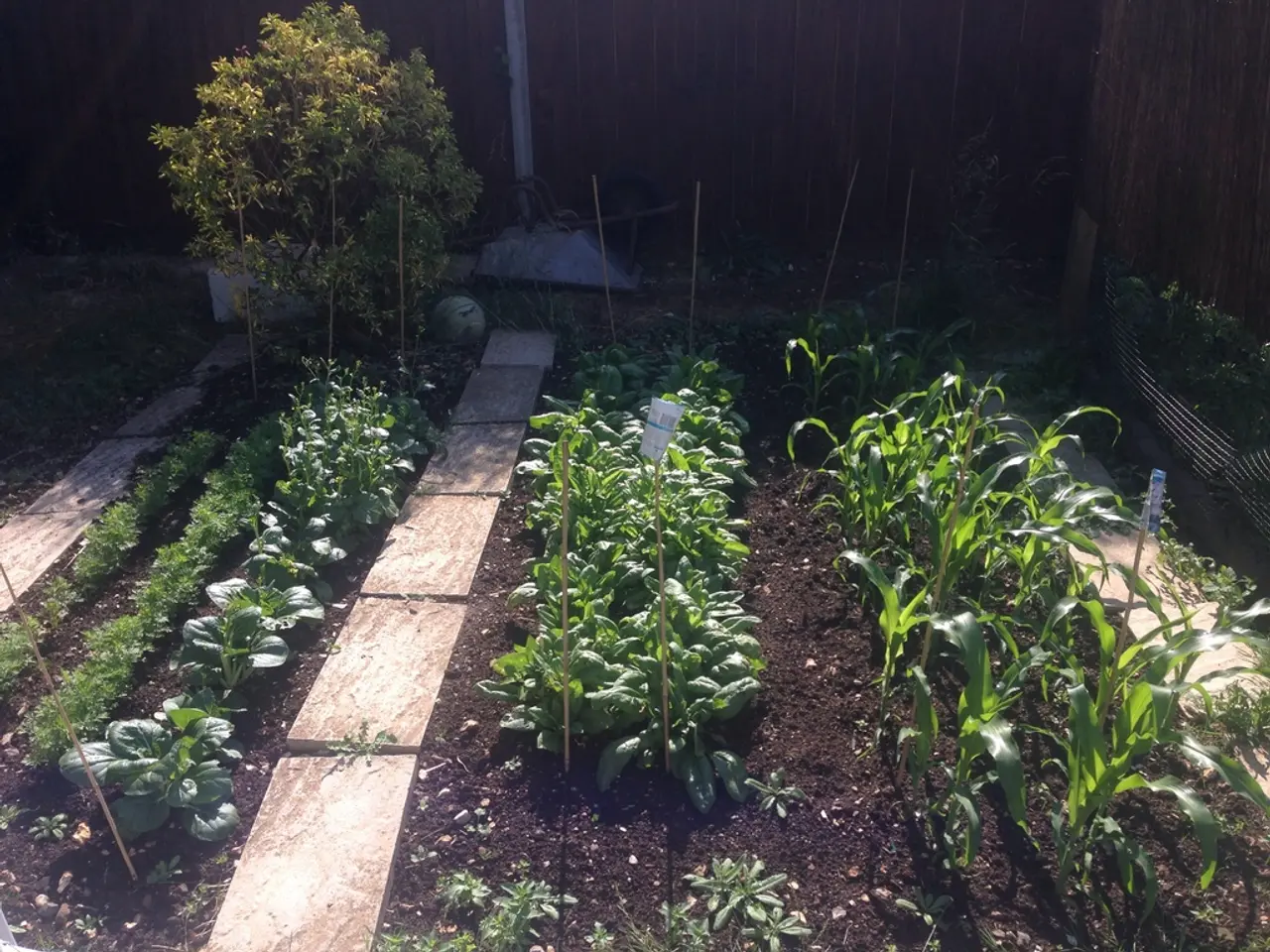
For direct sowing, seeds are planted directly in their final outdoor location. This method suits plants that do not like root disturbance or those that grow quickly (like carrots, radishes, and some herbs). Direct sowing removes the need for transplanting and hardening off, which can reduce labor and cost, and typically produces more resilient plants adapted naturally to the environment. However, direct sowing is subject to the variability of outdoor conditions — such as weather fluctuations and pests — so timing and soil preparation are important to ensure successful germination and establishment.
In summary:
- Indoor seed starting: Use a well-draining soilless seed starting mix (peat moss/coco coir, perlite, vermiculite). Ideal for slow-maturing or transplant-sensitive plants. Carefully water, maintain warm and humid conditions, and harden off seedlings before transplanting.
- Direct sowing: Plant seeds directly outdoors in prepared soil. Best for fast-growing or root-sensitive plants. Avoid transplant shock and produce hardy plants but requires suitable outdoor conditions and sometimes protection from pests and weather extremes.
Choosing the method depends on plant type, local climate, and gardener preference. Researching each plant's needs regarding transplant tolerance and maturation time helps guide the best approach. It's also recommended to choose seeds that have been through germination tests and field trials conducted by the seller to determine the best seeds to get.
Seedling pots are versatile, as they can be scaled up or down depending on the number and size of plants. They come in different sizes and shapes, allowing for customization. Seeds should be sown 6 to 8 weeks before the last frost date in the spring for indoor seed starting, and 3 to 4 weeks before for direct sowing. The seed starting pots can be placed on a water mat to regulate soil moisture.
Whether you're a seasoned gardener or a beginner, seed starting is a rewarding way to grow your own plants and enjoy the fruits of your labour. By understanding the differences between indoor seed starting and direct sowing, you can make informed decisions and ensure a successful growing season.
- Home-and-garden enthusiasts might find that gardening with a focus on warm weather seeds, such as cucumbers, tomatoes, or marigolds, will thrive in their lifestyle, considering the soilless seed starting mix and warm environments these seeds prefer.
- For those who prefer a cold weather lifestyle, planting seeds like lettuce, kale, or cabbage in prepared outdoor soil through direct sowing could be an effective method, as these plants can tolerate light frost and grow well in cooler climates.