Budget-Friendly Gardening: 40 Simple Solutions
Gardening doesn't have to be an expensive hobby. With a bit of creativity and resourcefulness, you can create a thriving garden without breaking the bank. Here are some effective ways to save money while building a garden that will bring joy and produce fresh produce.
Maximizing Resources and Minimizing Costs ------------------------------------------
Start from Seeds and Scraps : Seeds are a cost-effective alternative to buying starter plants. Many libraries offer free seed exchanges, where you can "check out" seeds as you would books. You can also regrow vegetables like spring onions, lettuce, or celery from kitchen scraps by placing the base in water or soil until roots develop.
Use Vertical Space : Grow climbers like beans, peas, or squash on trellises, fences, or homemade supports to maximize yield in small spaces.
Repurpose Household Items : Turn old containers, pallets, buckets, or even shoes into planters. This both saves money and reduces waste.
DIY Raised Beds and Compost : Build raised beds from reclaimed wood and start a compost pile with kitchen scraps, coffee grounds, and yard waste to enrich soil for free.
Mulch with Available Materials : Use grass clippings, leaves, or straw as mulch to retain moisture and suppress weeds without buying bagged mulch.
Plant Perennials : Vegetables like asparagus and rhubarb, or ornamentals like geraniums and pulmonaria, return yearly with minimal upkeep.
Choose High-Impact Plants : Opt for fast-growing, productive plants like lettuce, kale, and beans for quick, satisfying results.
Look for Free Resources : Contact local tree services or municipalities for free wood chips or compost. Some communities offer “chip drop” programs.
Finding Free Gardening Information -----------------------------------
Public Libraries : Many libraries have gardening books, magazines, and even host free workshops or seed swaps.
Online Forums and Groups : Platforms like Reddit, Facebook, and NextDoor have active gardening communities where members share tips, seeds, and plants.
Extension Services : Local university extension offices often provide free or low-cost gardening guides, soil testing, and expert advice.
YouTube and Blogs : Countless creators offer free tutorials on everything from container gardening to pest control—search for topics specific to your region or garden type.
Leveraging Social Media for Gardening --------------------------------------
Social media is a powerful tool for budget-conscious gardeners:
* Follow Experts and Communities : Join groups focused on frugal gardening, seed swapping, or DIY projects. These communities often share free resources and local opportunities. * Participate in Challenges : Engage in social media challenges or giveaways that sometimes offer free seeds, tools, or plants. * Share and Learn : Post your progress, ask questions, and learn from others’ experiences. Platforms like Instagram and TikTok are great for visual inspiration and quick tips. * Use Hashtags : Search hashtags like #BudgetGardening, #GrowYourOwn, or #SeedSwap to find relevant content and connect with like-minded gardeners. * Watch for Local Events : Many communities post about free plant swaps, workshops, or community garden openings on social media.
Reusing and Repurposing Tools and Materials --------------------------------------------
* Secondhand Tools : Check thrift stores, garage sales, or online marketplaces for affordable, gently used gardening tools. * Swap with Neighbors : Organize tool or plant swaps within your community to share resources without spending money. * Upcycle Containers : Use old buckets, jars, or even broken ceramics as unique planters. Ensure proper drainage by drilling holes. * Homemade Supports : Build plant supports from bamboo, branches, or leftover wood. Even old ladders or chairs can be repurposed as trellises. * Compost Kitchen Waste : Turn food scraps into nutrient-rich compost instead of buying fertilizer.
Layout and Design Tips -----------------------
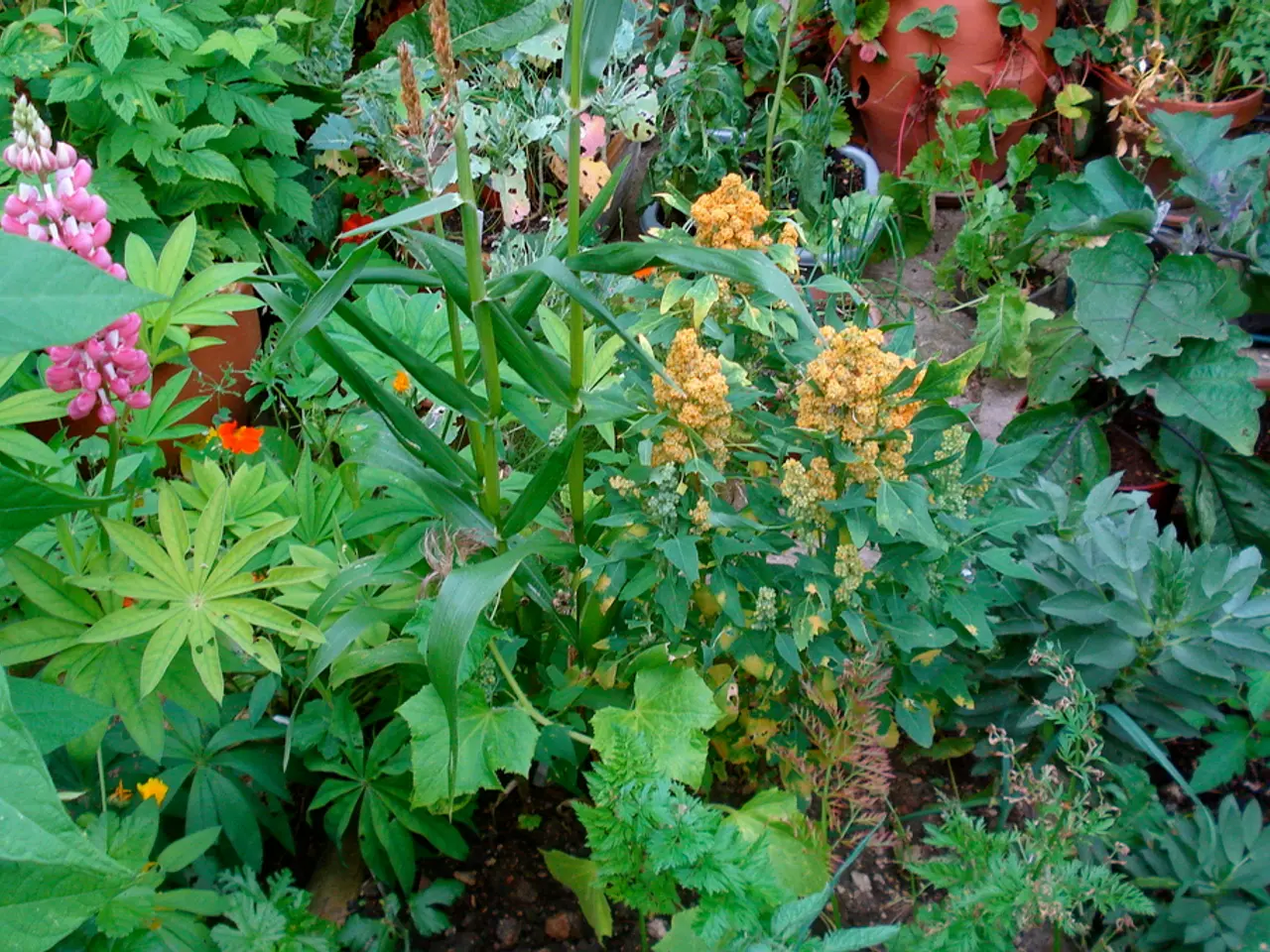
* Square-Foot Gardening : This method maximizes small spaces by dividing beds into one-foot squares, each planted with a different crop. * North-South Rows : For larger plots, orient rows north-to-south for optimal sun exposure and airflow. * Edible Landscaping : Integrate vegetables and herbs into ornamental beds for dual-purpose beauty and harvest.
Summary Table: Key Budget Gardening Strategies -----------------------------------------------
| Strategy | Example | Benefit | |---------------------------|------------------------------------------|----------------------------------| | Start from seeds/scraps | Library seed swap, regrow lettuce | Free or very low cost | | Repurpose materials | Buckets, pallets, old tools | Reduces waste, saves money | | Use social media | Join groups, follow hashtags, share tips | Access free info, swap resources | | DIY compost & mulch | Kitchen scraps, leaves, grass clippings | Free soil amendment | | Plant perennials | Asparagus, rhubarb, ornamental flowers | Low maintenance, yearly return |
By combining these strategies, you can create a productive, beautiful garden without spending a fortune—while also building community, reducing waste, and continually learning through both digital and local resources. Happy gardening!
- In small spaces, grow climbers like beans, peas, or squash on trellises, fences, or homemade supports to maximize yield.
- Building raised beds from reclaimed wood and starting a compost pile with kitchen scraps, coffee grounds, and yard waste can enrich the soil at no cost.
- Start from seeds and scraps such as seeds from libraries or vegetables like spring onions, lettuce, or celery regrown from kitchen waste.
- Plant fast-growing, productive plants like lettuce, kale, and beans for quick, satisfying results.
- Instead of buying bagged mulch, use grass clippings, leaves, or straw as mulch to retain moisture and suppress weeds.
- Look for free resources such as wood chips or compost from local tree services or municipalities.
- When harvesting, enjoy the fruits of your labor and the lifestyle that gardening brings to your home-and-garden and overall family.
- Choose high-impact plants that thrive in cold climates, such as root vegetables or hardy greens, to make the most out of your garden during the growing season.