Ancient Symbolism of Blue Lotus: Emblem of Tranquility, Strength, and Recovery
In various cultures throughout history, the Blue Lotus flower has held significant symbolic and psychoactive properties. This enchanting bloom, particularly the Nymphaea caerulea species, has been revered for its association with spiritual rituals and holistic healing.
In ancient Egypt, the Blue Lotus was sacred and closely linked to the sun god Ra, symbolizing rebirth, life, and the afterlife. It was extensively depicted in art, temple engravings, and funerary texts like the Book of the Dead, representing cleansing, enlightenment, and connection with the divine. Pharaohs and priests used the Blue Lotus during ceremonial rituals to induce a trance-like state, believing it brought them closer to the divine.
The Blue Lotus' fragrance, a sweet, intoxicating, and slightly fruity mix of anise and honey, was believed to purify sacred spaces and facilitate divine communication. Egyptians consumed the Blue Lotus as tea or wine during rituals to soothe sorrow, induce tranquility, promote lucid dreaming, and elevate consciousness.
In other ancient cultures, like the Maya of Mesoamerica, a related species (Nymphaea ampla) held similar spiritual significance. It symbolized spiritual awakening, transformation, and served as a bridge between worlds—used in shamanic practices to attain altered states of consciousness and divine communication.
In Hinduism and Buddhism, the Blue Lotus symbolizes purity, enlightenment, and spiritual awakening, often depicted as a divine symbol illustrating wisdom arising from delusion. Jainism also uses the Blue Lotus metaphorically to represent purity and the spiritual qualities of enlightened beings.
In modern holistic healing and spiritual practices, the Blue Lotus is valued as a gently psychoactive plant medicine. It is used in ritual contexts to slow down, attune to natural rhythms, and connect with intuition and ancestral wisdom. Techniques include drinking Blue Lotus tea, smoking, vaping, or using oils, with effects ranging from mild euphoria to intense visionary states. It is regarded as a sacred plant helping practitioners deepen presence, promote relaxation, and open the mind to subtle inner experiences.
The Blue Lotus continues to captivate hearts and minds in modern wellness circles, and it is used in both spiritual rituals and holistic healing practices. From ritual oils infused with Blue Lotus extract to teas, tinctures, bath rituals, and essential oils, the use of the Blue Lotus evolves, blending the mystical with the modern. As interest in plant-based spirituality grows, the Blue Lotus is blossoming anew in our modern world.
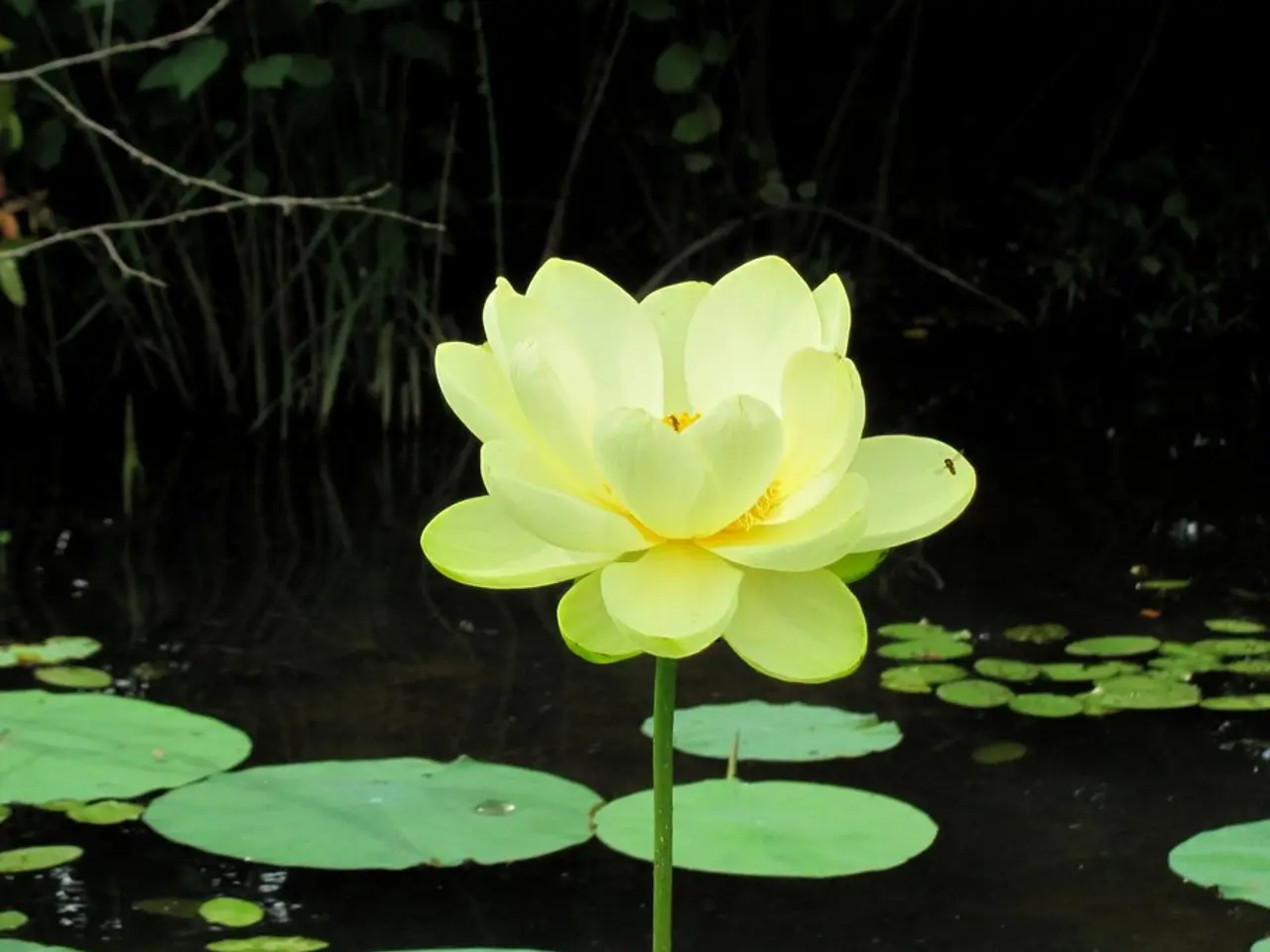
With its vibrant indigo-blue petals and golden center, the Blue Lotus blooms during the day and closes at night. When consumed as tea, smoked, or used in tinctures, the Blue Lotus may promote deep relaxation, reduce anxiety, and enhance dream clarity. The Blue Lotus offers a multidimensional journey, seeking physical relaxation, spiritual insight, or a connection to ancient traditions. Explore the magic of the Blue Lotus for yourself and let its essence inspire your path toward balance and awakening.
- In science, research is being conducted on the potential therapeutic uses of the Blue Lotus flower, particularly in mental health, where it may provide relief from anxiety and promote lucid dreaming.
- The Blue Lotus' association with spiritual rituals and holistic healing extends to modern lifestyle practices, as it is often used in various health-and-wellness therapies-and-treatments, like aromatherapy and herbal tea preparations.
- In the realm of fashion-and-beauty, the Blue Lotus' mystical charm lives on, with its image appearing on clothing, jewelry, and cosmetic products promoting peace, mindfulness, and self-care.
- Home-and-garden enthusiasts seek to cultivate the Blue Lotus, not only for its captivating beauty but also for the calming energy it is believed to bring to living spaces, making it a popular inclusion in indoor aquatic gardens and meditation rooms.